Provisions in the Housing (Scotland) Act 2025 are due to come into force later this year. This blog explores what social landlords will need to do as a result of this new legislation. Social landlords providing mid-market rents through a subsidiary will have slightly different legal duties – see our recent blog here Damp and Mould Duties for Landlords: Scotland’s 2026 Regulations on how the legislation impacts private residential tenancies.
Investigation and Commencement of Repair
The Investigation and Commencement of Repair (Scotland) Regulations 2026 are due to come into force on 06 October 2026.
These regulations amend the right to repair. Social landlords will be familiar with the right to repair: this sets out the process for the period of time a social landlord has to complete certain repairs, and the compensation due if the landlord fails to do so.
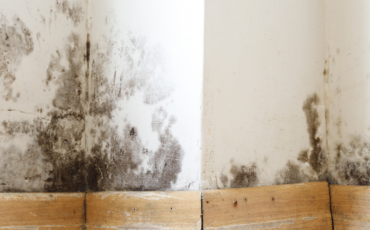
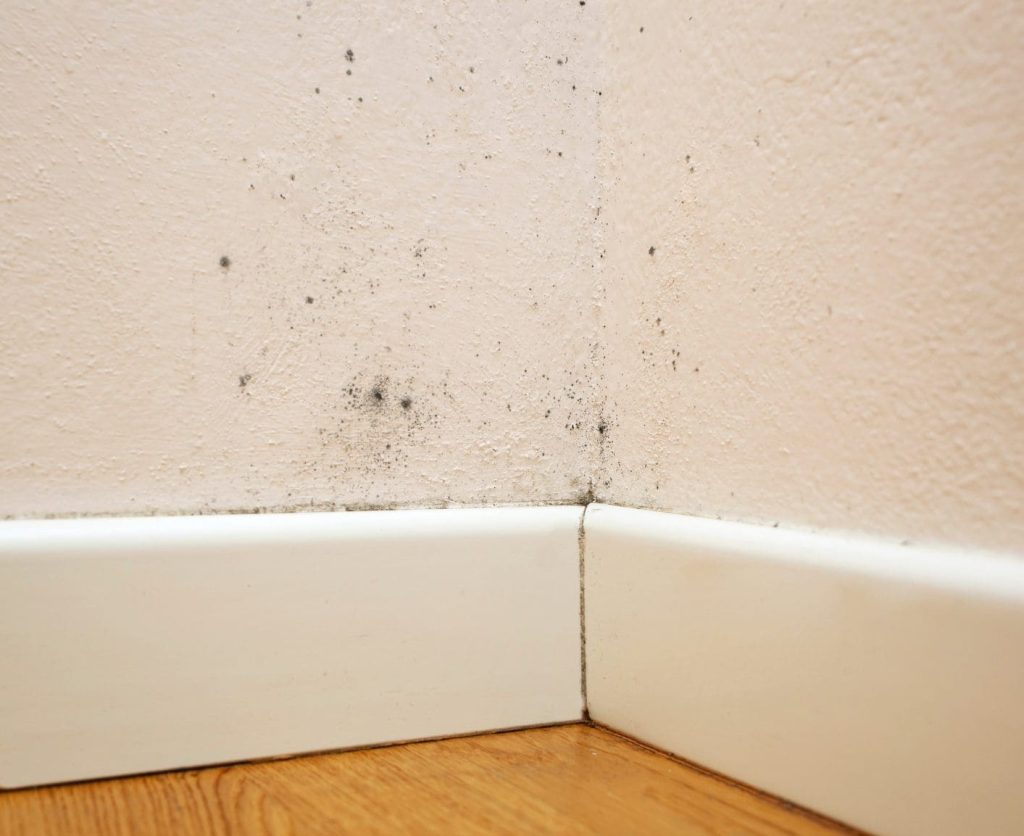
The regulations introduce a new right to repair– where the landlord is advised by the tenant or otherwise becomes aware that the tenant’s house is, or may be, affected by damp or mould.
The landlord must ensure that an investigation is completed by a competent person within 10 working days of becoming aware of the damp or mould. A competent person means a person who the landlord reasonably believes has the skills and experience to determine if a qualifying repair is needed in relation to the damp or mould.
The landlord must give the tenant a written summary of the results of the investigation within 3 working days of the investigation being completed. If a repair is required then the landlord must ensure that this is commenced within 5 working days after the investigation is completed.
The timeframe to investigate and to commence the work can be suspended if there are circumstances beyond the control of the landlord which stop them from being undertaken, but the landlord must explain why further time is required and give a timeframe for the investigation and the work to be commenced. Until the work can be done the landlord must take reasonable steps to minimise the damp and mould.
The regulations provide a maximum of 20 working days for substantial damp and mould to be completed from the date of notification.
Compensation
If these duties are not complied with a tenant can seek compensation. If an investigation is not commenced the tenant can claim £15, plus £3 per working day until the investigation is completed up to a maximum of £100. The tenant can also claim a further £15 and £3 per working day for the period where a qualifying repair should have been commenced, again up to a maximum of £100. This is in addition to the maximum of £100 which is already available under the regulations for a failure to carry out the qualifying repair.
Impact on the Sector
Registered social landlords should ensure that they have robust systems in place to act quickly on any damp or mould which comes to their attention. Swift action in this area is key, as well as keeping the tenant informed about the timescales.
The regulations give some scope for additional time to be taken if the circumstances preventing the repair are outside of the landlord’s control. Landlords will be relieved to note that if the tenant fails to provide access then the provisions on the maximum period for completion and compensation will not apply.
However, this is an area where record keeping is key – all the steps along the way from the landlord becoming aware of dampness or mould should be recorded, including communication with the tenant and any correspondence issued. For further information on repairs, please get in touch with our team