The Investigation and Commencement of Repair (Scotland) Regulations 2026; A Private Rented Sector-Focused Overview
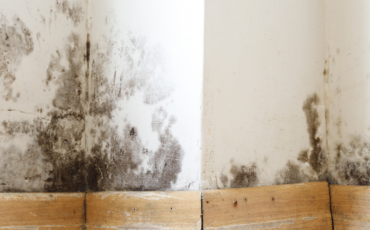
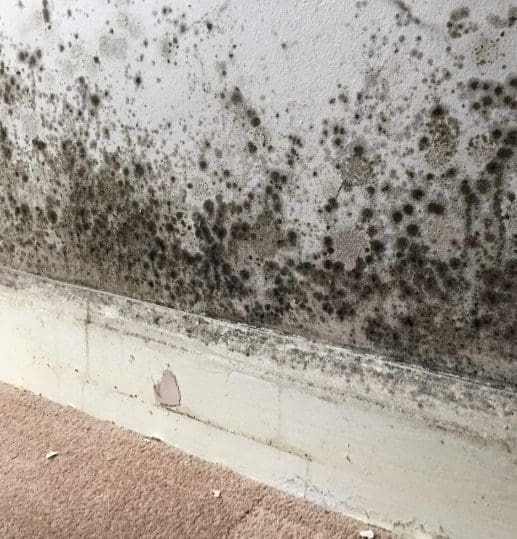
The Investigation and Commencement of Repair (Scotland) Regulations 2026 were laid in draft before the Scottish Parliament on 21 January 2026. If approved, they will introduce a formalised set of duties for landlords aimed at tackling damp and mould more swiftly and consistently across the Private Rented Sector (PRS).
These regulations are set to be enforced from 6 October 2026 and will form the Scottish equivalent to ‘Awaab’s law’ south of the border. Specific requirements surrounding damp and mould will be the starting point with other qualifying hazards being introduced over time.
Clear, Mandatory Timelines for PRS Landlords
Although private landlords are already obliged under the Repairing Standard to resolve damp and mould, the 2026 Regulations go significantly further by creating fixed statutory timescales thus removing ambiguity as to what is expected. Once a landlord is notified or becomes aware of a damp or mould issue, they must:
- Investigate within 10 working days, using a suitably competent person.
- Provide the tenant with a written summary within 3 working days of completing the investigation.
- Commence repairs within 5 working days of completing the investigation, where the investigation determines relevant safety work is required.
If circumstances beyond the landlord’s control mean compliance is not possible within those timescales, landlords must:
- Notify the tenant the landlord is unable to comply and the reason why
- Specify the time period within which the landlord expects to be able to comply
- Take reasonable steps to minimise the effect of damp or mould until the landlord can comply
In both situations, landlords must have regard to any guidance issued by the Scottish Ministers. At the time of writing such guidance has not yet been published but this can presumably be expected before the Regulations take effect in October 2026.
What Counts as ‘Becoming Aware’?
Landlords and agents have concerns surrounding fulfilment of new duties where tenants do not engage or fail to report repairs promptly. Importantly, the amended duty will apply where the landlord is ‘notified by the tenant or otherwise becomes aware that the house is or may be affected by damp or mould’.
The duty is therefore not limited to tenant notification only. Awareness may arise, for example, during routine inspections by landlords or agents, reports from contractors following unrelated visits or via third party reports.
It follows that landlords should not wait until concerns of damp or mould are raised by the tenant. Investigation may be required at an earlier stage.
As noted above, further guidance is to be expected in the coming months. Meantime, landlords and letting agents should take steps now to update inspection processes and response times, reporting systems and ensure staff are appropriately trained.
For information on how the 2026 Regulations apply to the Social Rented Sector/to Registered Social Landlords, please contact our RSL Team.